Civil Society, Civic Engagement and its Impact on Military Welfare
Overview
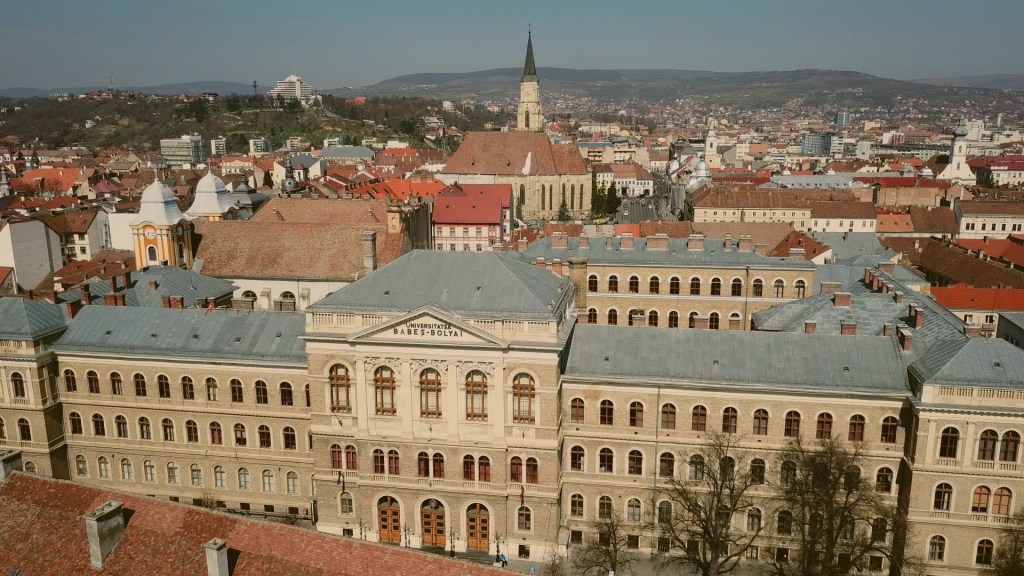
In June 2026 the MWHN will host its fifth international conference at Babeș-Bolyai University in the city of Cluj-Napoca in Romania. Established in 1581 and located in Cluj-Napoca, Romania. It occupies the first position in the Romanian University Metaranking, is the largest university in Romania (with 50,000 students) and is home to several members of the MWHN and the now-concluded Romanian Officers in the Habsburg Army and their Involvement in Civil Society (late 18th century to 1918) project (PI: Vlad Popovici). This conference is organised within the framework of Dr Popovivi’s project ‘Intricate Entanglements: Associational life, Nation-building and Democracy in Transylvania. The Romanian Case (18th Century to 1920s)’ [UEFISCDI PN-IV-P1-PCE-2023-1202] and will comprise the following elements.
Schedule of the Event:
- Day 1 (Thursday 18 June 2026): A welcome keynote (and possibly some panels) followed by a free and catered evening reception
- Day 2 (Friday 19 June 2026): A full day of parallel panels (including lunch) followed by a free dinner
- Day 3 (Saturday 20 June 2026): A half-day of parallel panels (including lunch) and a closing keynote
Keynotes:
- Prof Lynn Mackay (Brandon University)
- Dr Ismini Pells (University of Oxford)
Further information:
- For more about Babeș-Bolyai University, please visit its website here.
- For more about the city of Cluj-Napoca, please visit the local tourist board website here.
- For more on the destinations from which you can fly to Cluj-Napoca, please visit the local airport website here.
Funding:
Please note that as the MWHN is a non-fee-paying colelctive of scholars, it has no working capital and thus no travel bursaries can be provided to any person who wishes to attend this event.
Call for Papers
Funding and Support
We gratefully acknowledge the financial support for this event has been provided by UEFISCDI Romania through the project Intricate Entanglements: Associational life, Nation-building and Democracy in Transylvania. The Romanian Case (18th Century to 1920s). This event is also kindly supported by: Babeș-Bolyai University Cluj-Napoca; the Faculty of History and Philosophy at UBB; the History, Civilization and Culture Doctoral School, at UBB; the Divisional Command of the 4th Infantry Division “Gemina” and the National Military Museum “King Ferdinand I”.
 militarywelfarehistory.com