
Thanks to the generous funding of the Wellcome Trust, through the Society for the Social History of Medicine, in 2025-26 the MWHN ran a three-part series of events. Entitled the ‘The Military Communities’ Medical Welfare and Care History Conference Series’, this series comprised three accessible hybrid network events, which took place in the UK and online (via Zoom) over the course of the twenty-four months of the award. All of which focussed on the burgeoning ‘perspective’ of military welfare history; defined as the welfare, care and medical provisions afforded to service personnel, their families and other dependents.
EVENT #3: University College Dublin (via Zoom) on 2 February 2026
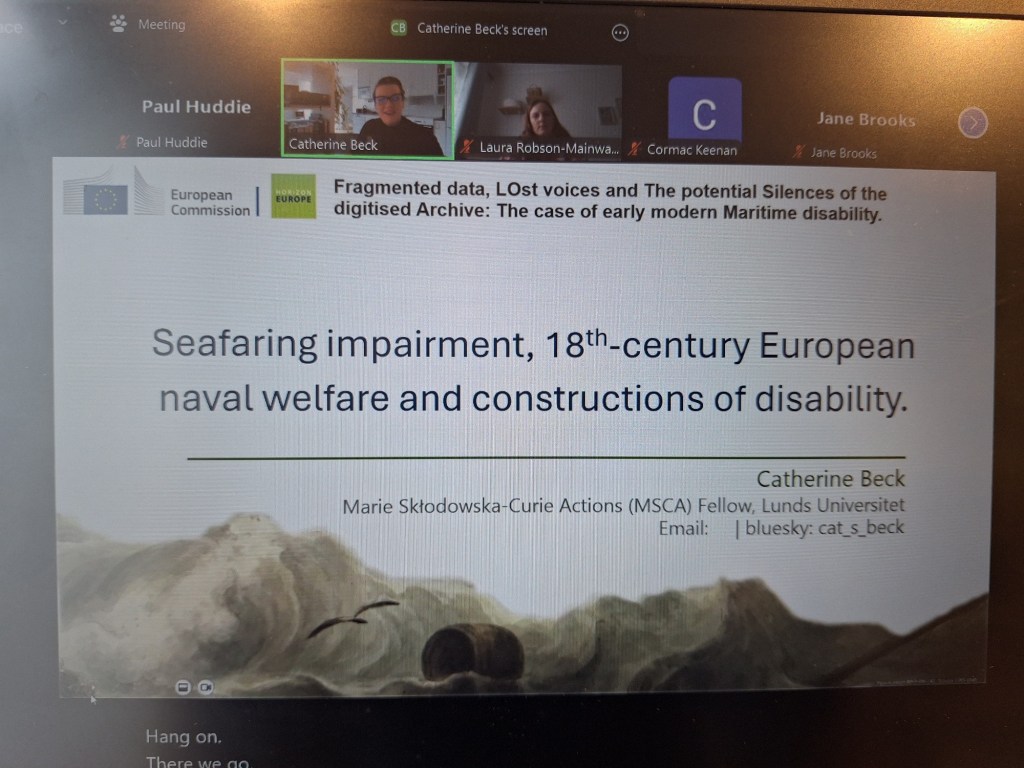
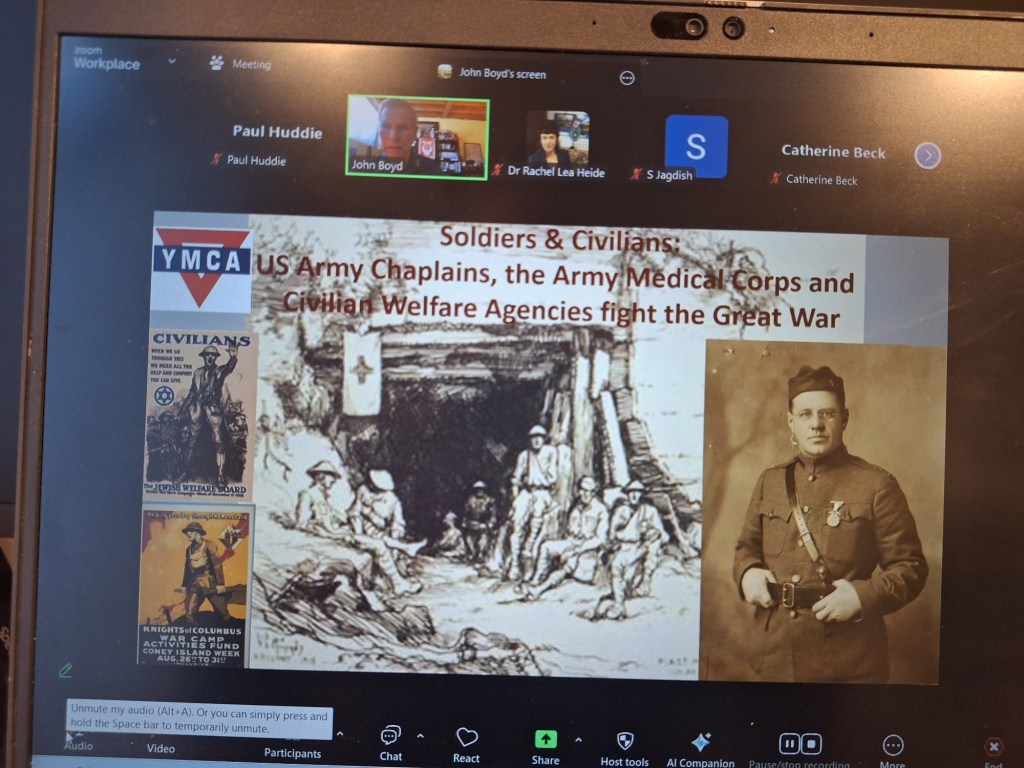
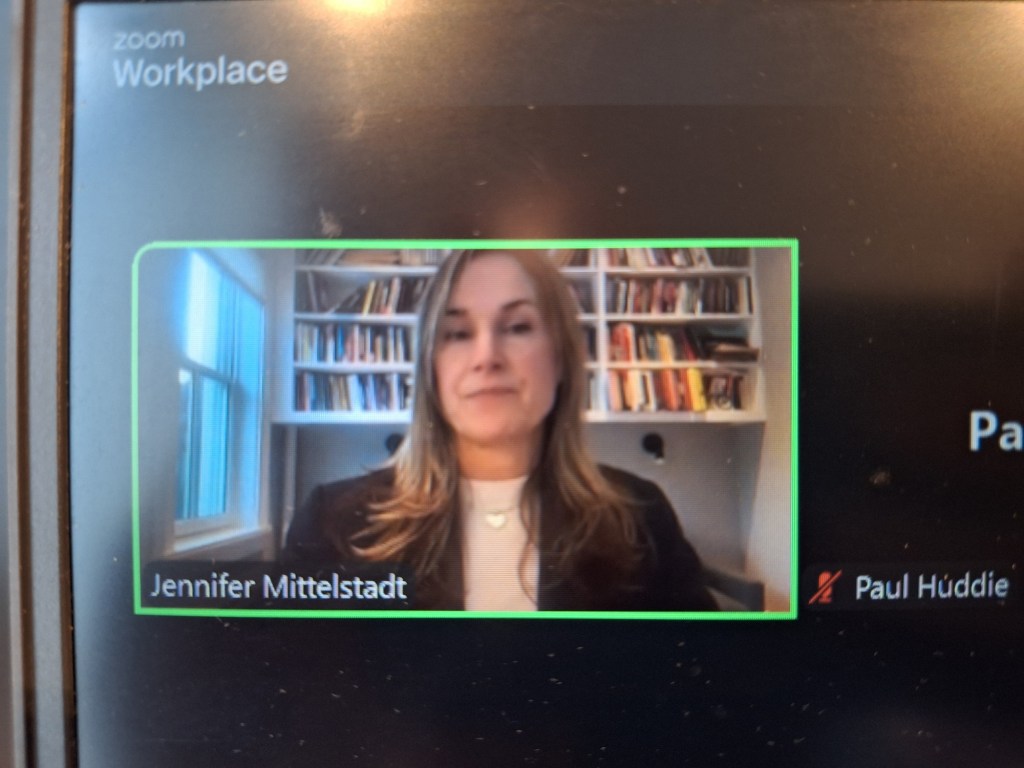
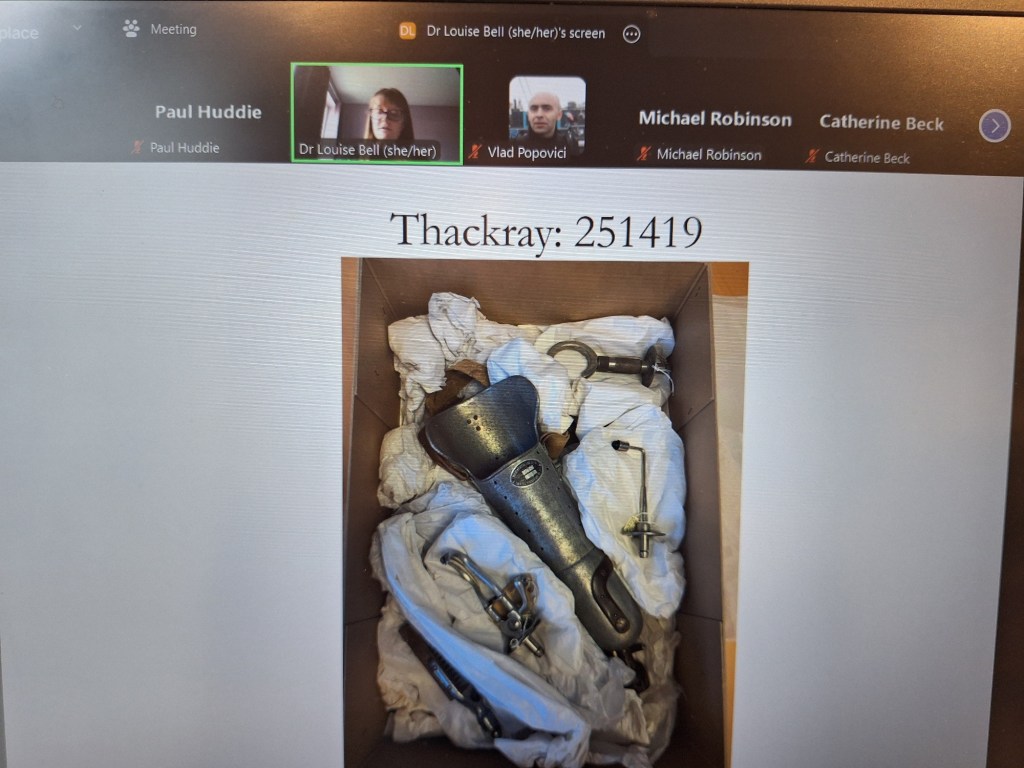
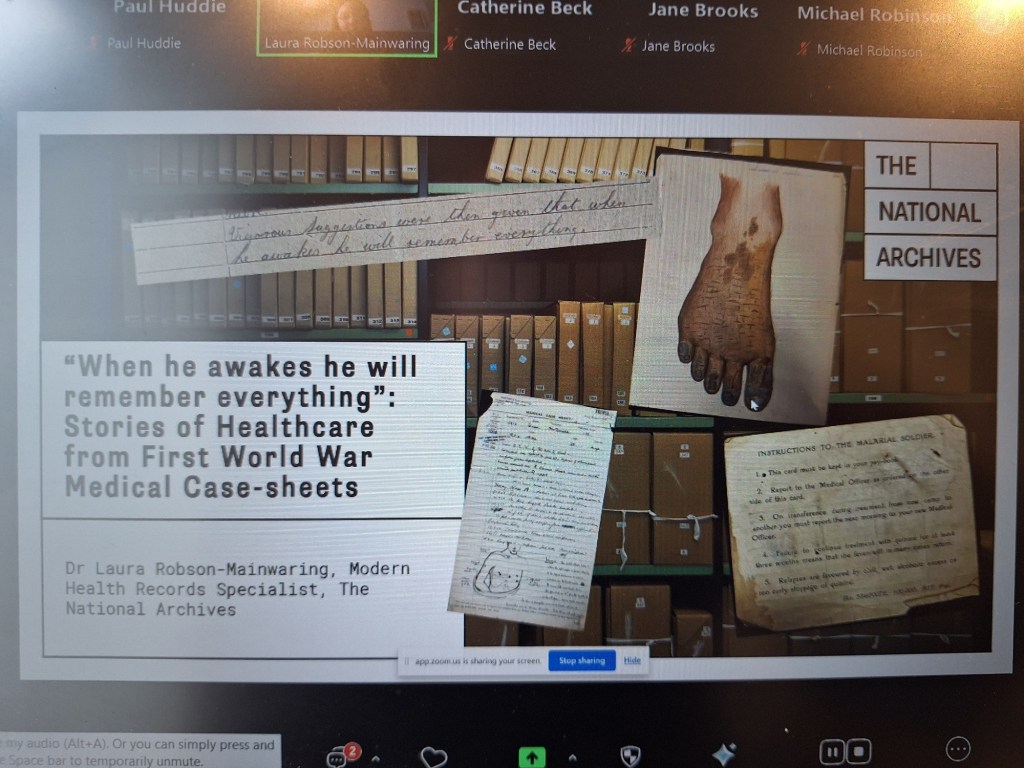
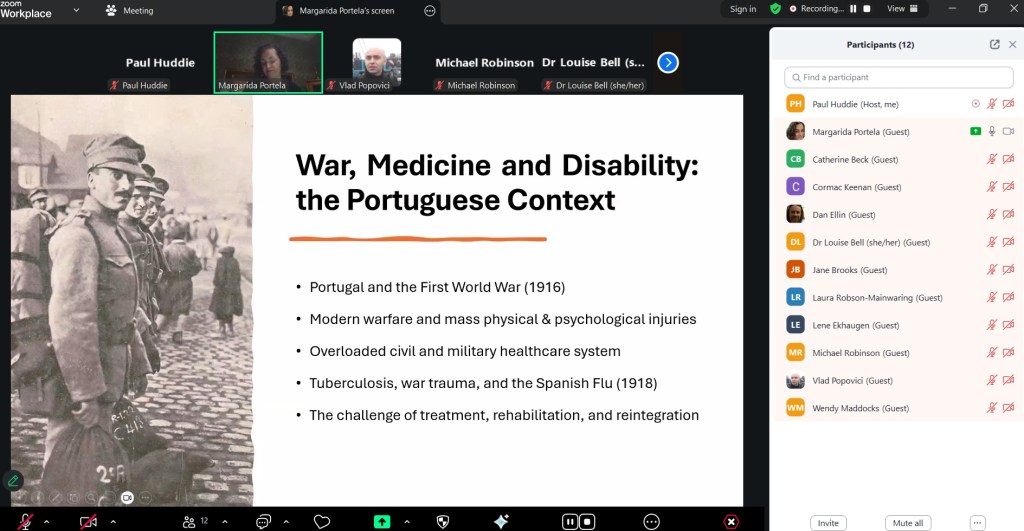
With thanks to the UCD Centre for War Studies (Ireland), the third event took place via Zoom in the Spring of 2026. The event comprised several papers from members and non-members, looking at a variety of military medical and welfare topics, and relating to 18c Denmark and Sweden and 20c Portugal, Ireland, the UK and the US. It also featured a keynote, entitled ‘Why does military welfare histor matter?’, given by Prof Jennifer Mittelstadt (Rutgers University).

Event Programme
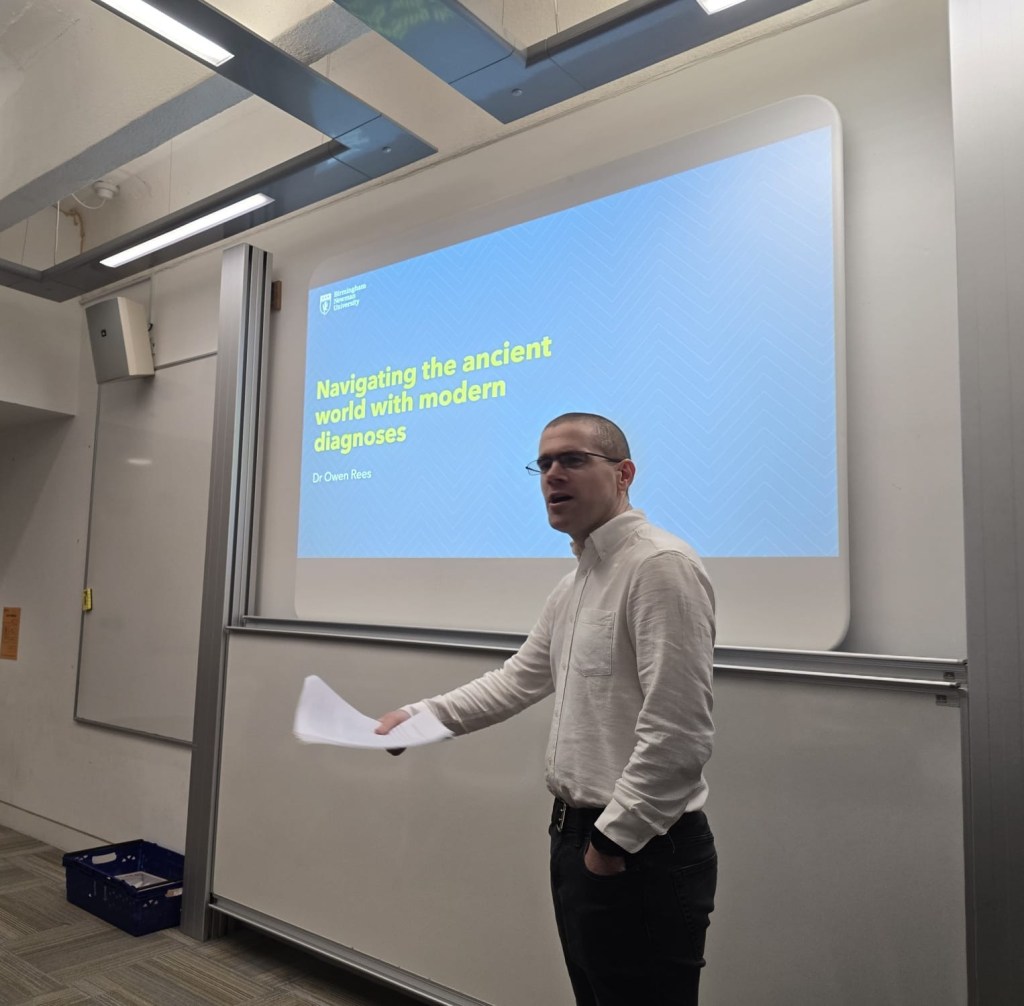
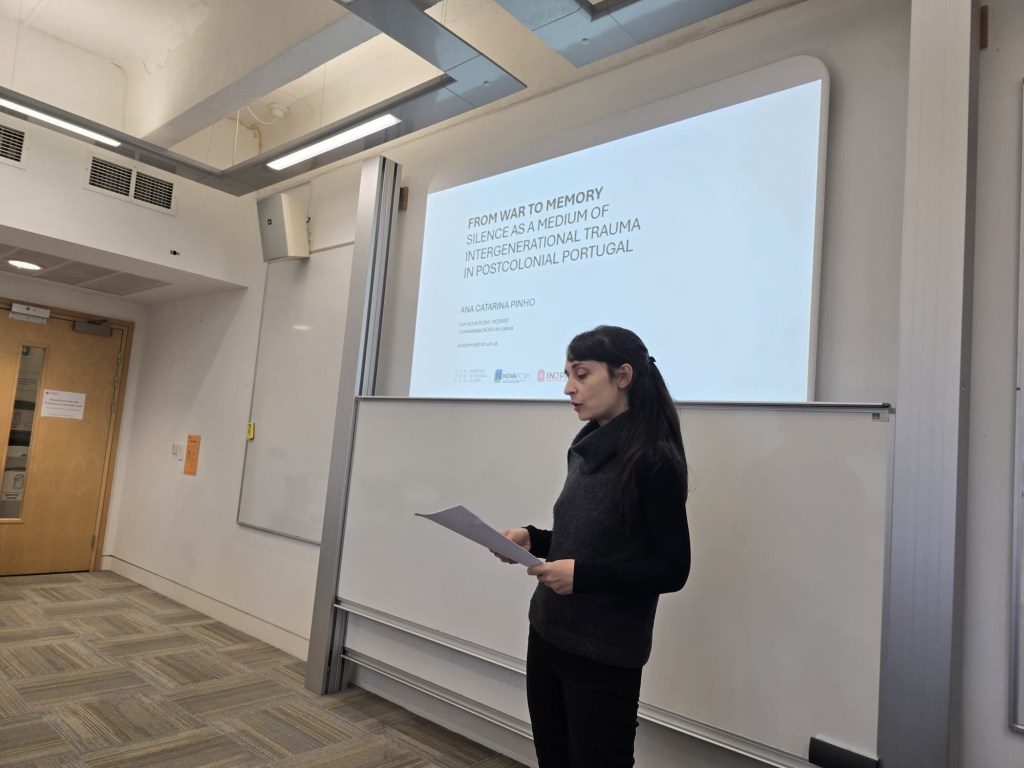
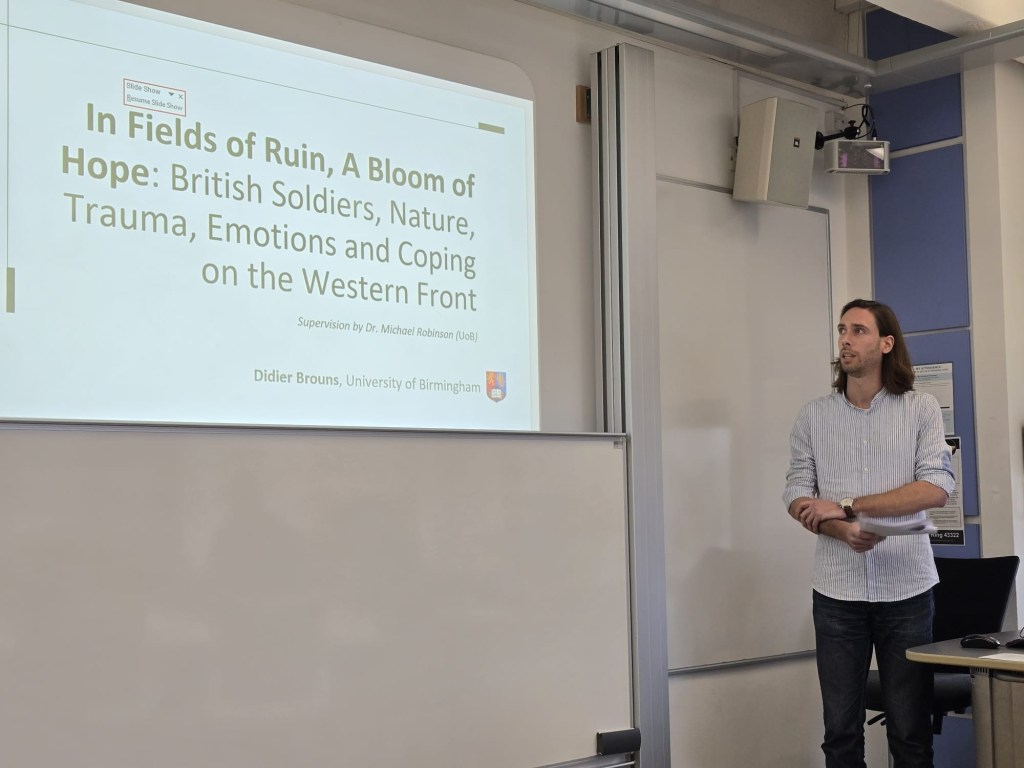
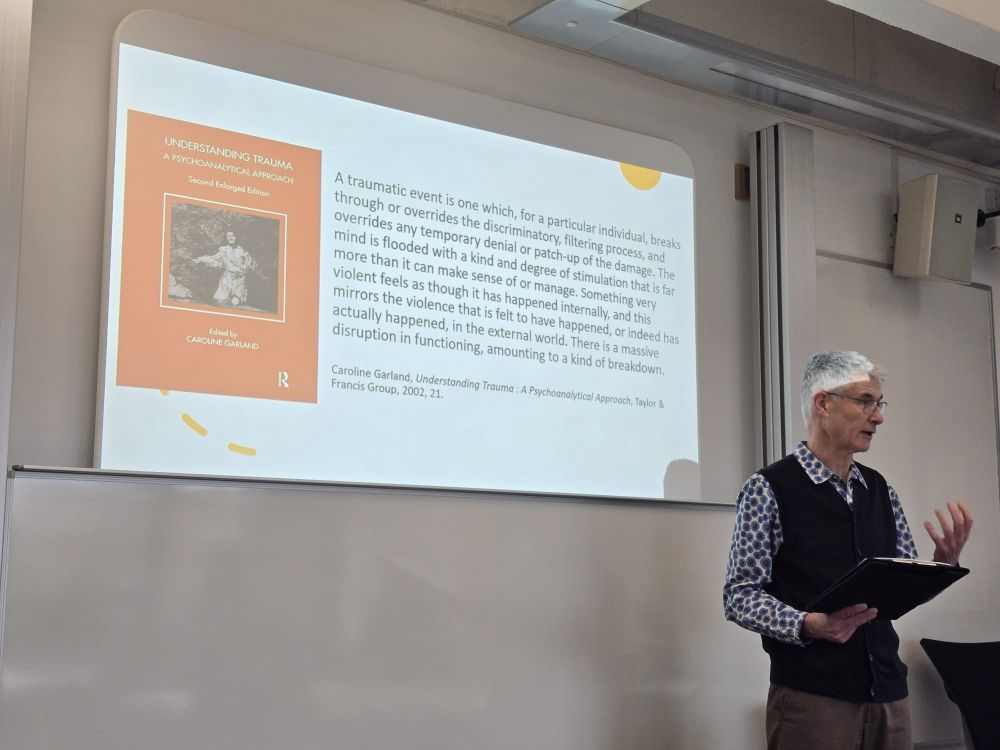
EVENT #2: University of Birmingham on 6-7 November 2025
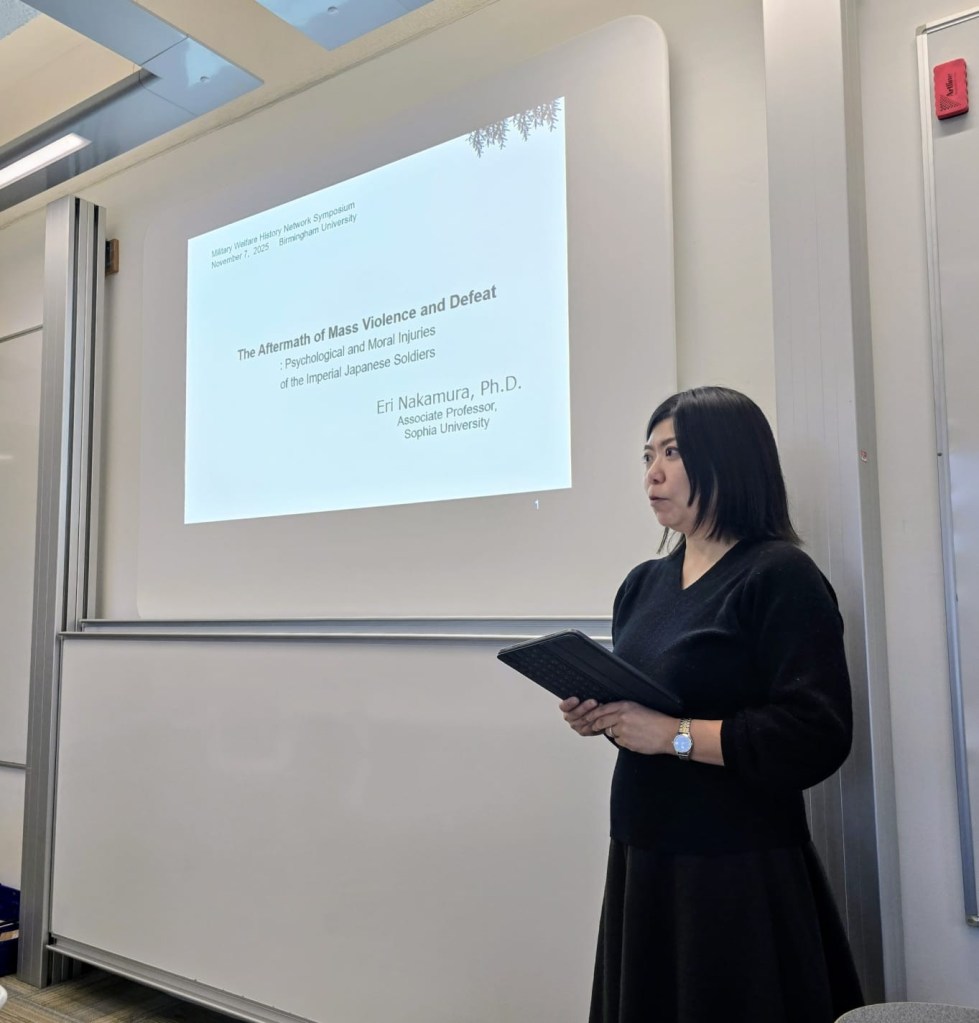
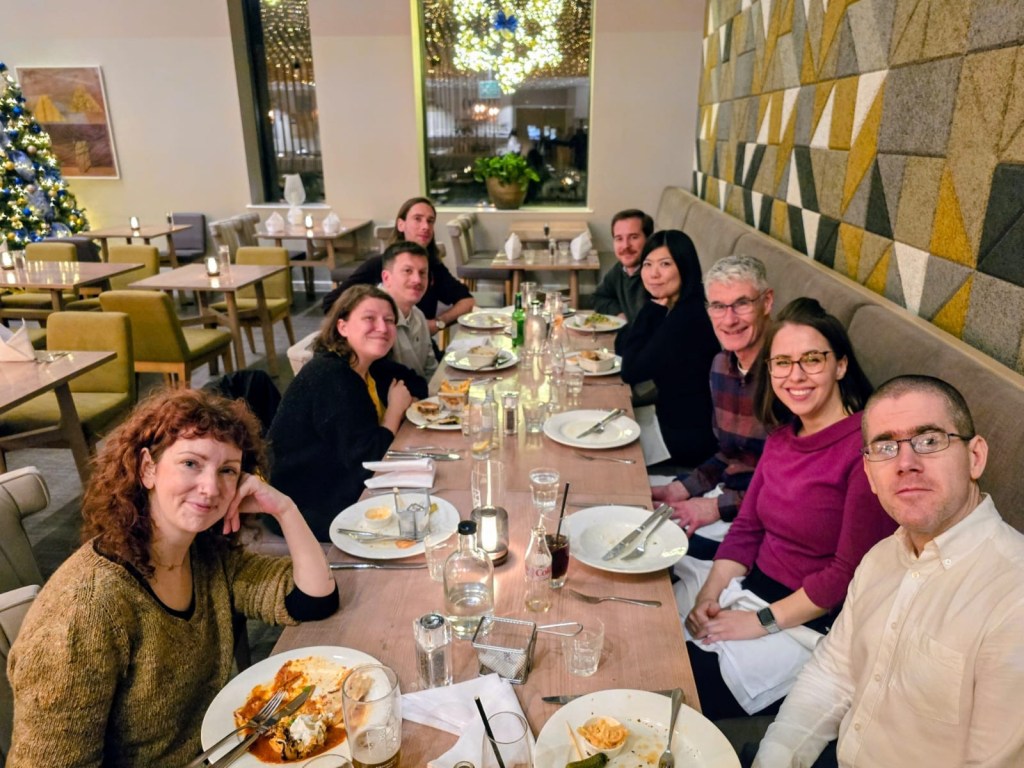
Despite the organisers best efforts to bring this conference series to other parts of the UK, the second of these events also took place at the wonderful University of Birmingham on 6-7 November 2025.
It took the subject of ‘trauma and moral injury’ as its core theme and invited scholars to provide insights into personal, collective, national and transnational approaches to war-related trauma and emotional and psychological wounding, relative to any conflict, country or period. The event was open to social, cultural, political, medical, memorial and emotional studies of these issues to enhance our understanding of this sensitive area.

Event Programme


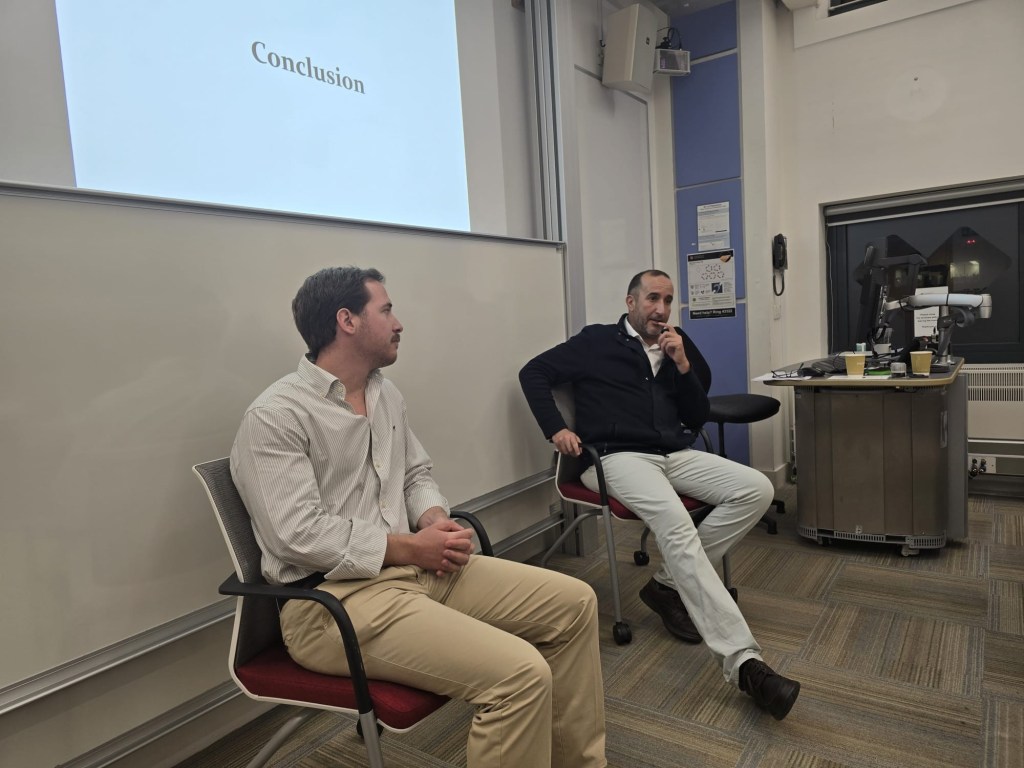
EVENT #1: University of Birmingham on 10-11 April 2025
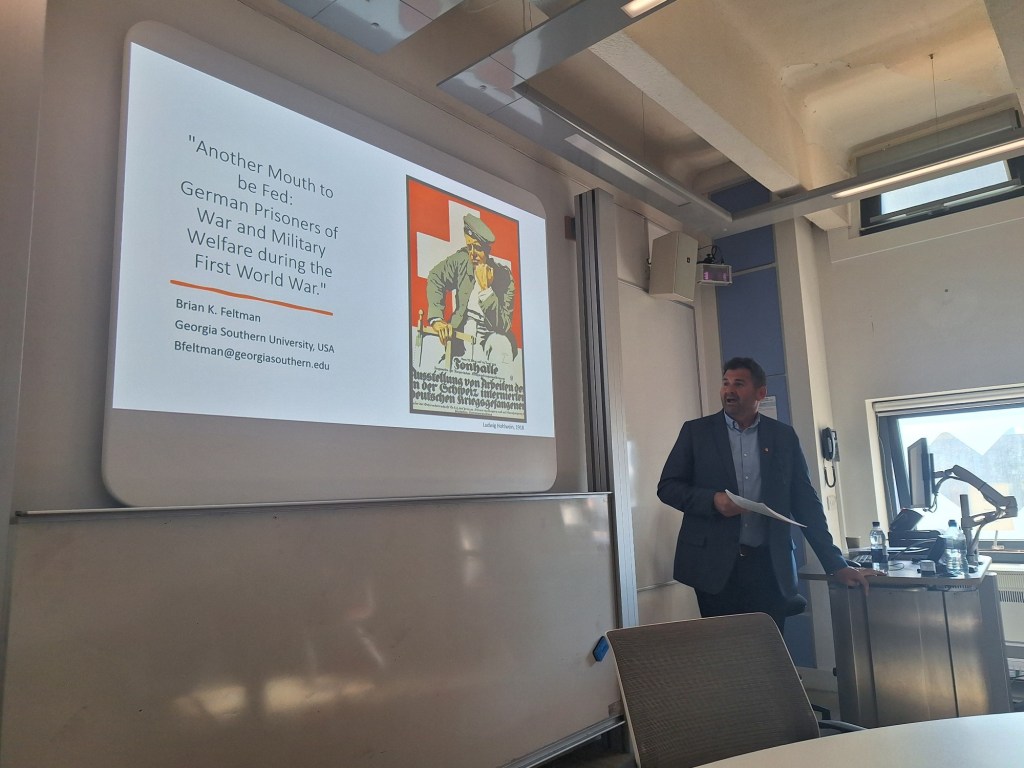
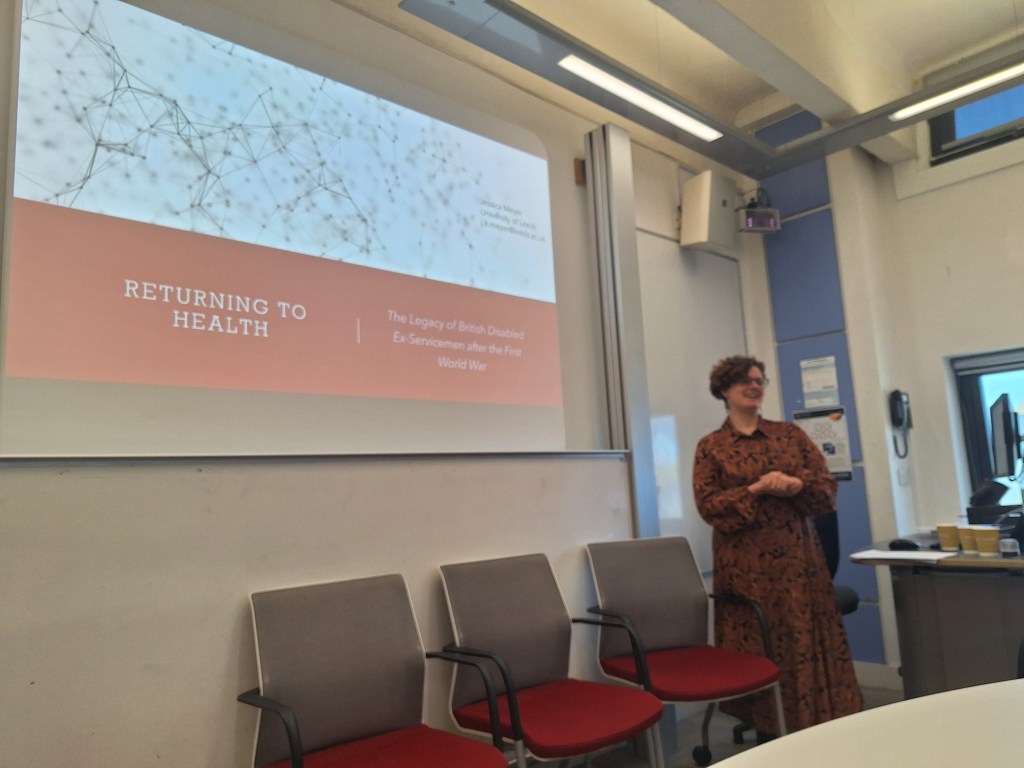
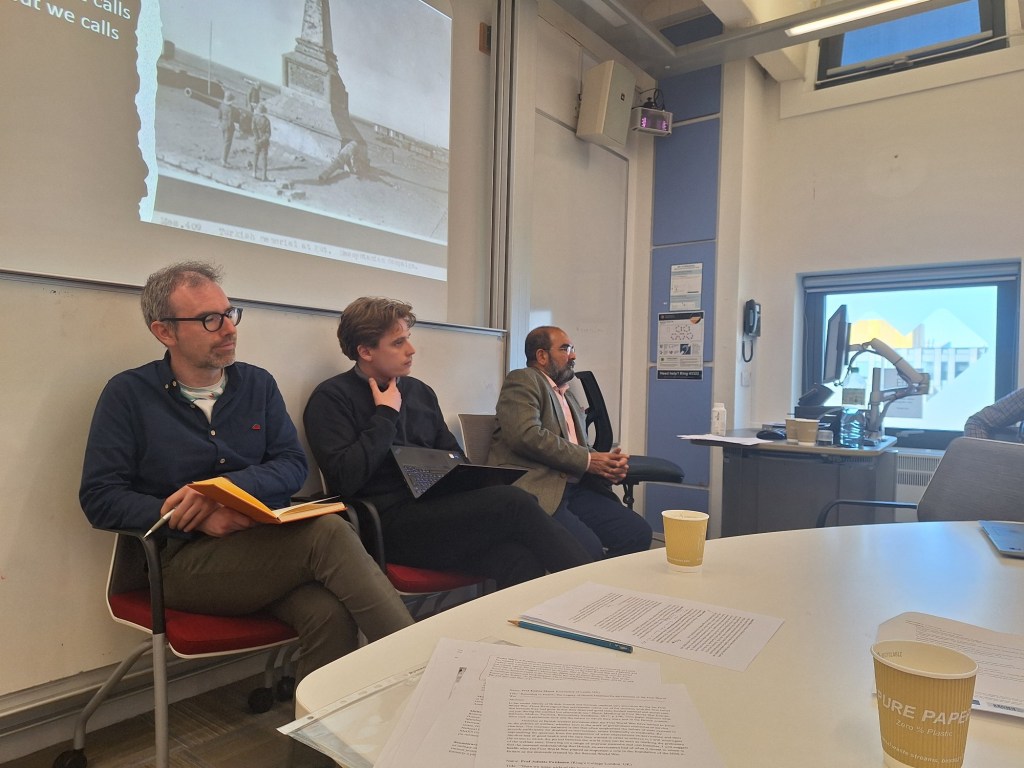
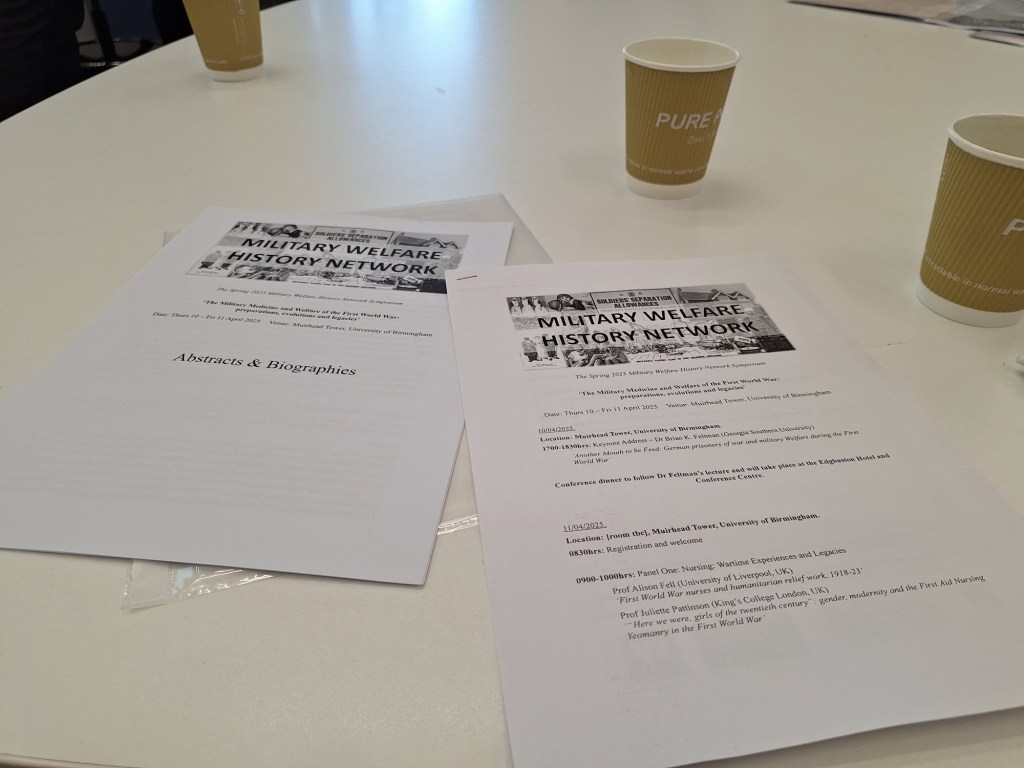
Taking the First World War era as a case study, this event looked at the welfare, care and medical provisions afforded to service personnel, their families and other dependents – military welfare – before, during and after the conflict. In doing so, it both built upon and brought together the plethora of research produced by scholars around the globe on topics such as army doctors and nurses; medical transportation, technologies and infrastructures; state benefits; charity; pensions; rehabilitation and care; trauma and memory; migration; and gendered dimensions to military welfare.
Event Programme




 militarywelfarehistory.com